

EMDR therapy in philadelphia for trauma, anxiety, & PTSD
trauma therapy that works
You may look fine on the outside, but inside, you're still carrying the weight of what happened. Even though the trauma is in the past, its effects linger — showing up in your thoughts, your body, your relationships. Unprocessed experiences can quietly impact your sleep, self-worth, and sense of safety, leaving you stuck in patterns you don’t fully understand.
EMDR (Eye Movement Desensitization and Reprocessing) therapy helps you process and heal from painful experiences that still affect your daily life. You might be a good fit for EMDR if:
Memories, flashbacks, or nightmares still feel vivid and overwhelming
You’re easily triggered by certain people, places, or situations
Shame, self-blame, or a harsh inner critic holds you back
Talk therapy has helped, but you still feel stuck
You avoid people or situations because of fear or mistrust
If the idea of trauma therapy feels scary, if you're worried it means reopening everything and feeling worse before you feel better, that's one of the most common things I hear. EMDR isn't about reliving your trauma in detail. It's about helping your brain finally file it away as the past, so it stops showing up in your present. If you’re ready to move through trauma instead of around it, EMDR can help you feel more grounded, safe, and in control.


what is emdr therapy?
Most people who come to EMDR have already done a lot of work in therapy. They understand their trauma, they can talk about it without falling apart, and yet something still feels stuck. EMDR works at a different level. Instead of just talking about what happened, it helps your brain actually finish processing it, so the memory stops carrying the same emotional charge. In EMDR, you won’t be asked to talk in detail about everything that happened. Instead, your therapist will guide you to briefly bring up a specific memory while you engage in something called bilateral stimulation usually by following their fingers with your eyes, listening to sounds that alternate between ears, or feeling taps that move from one side of your body to the other.
This process helps your brain "unstick" the memory and reprocess it, so it feels less vivid, emotionally intense, or overwhelming. Over time, the memory becomes more like something that happened in the past, rather than something that continues to affect you in the present. EMDR is an multi-phase approach that also includes learning calming strategies, identifying patterns in your beliefs, and strengthening positive internal resources—so it’s not just about revisiting hard moments, but about building resilience and emotional safety too.

what emdr therapy is not
It's not hypnosis — you are fully present and in control throughout the entire session
It's not about reliving your trauma in detail — you won't be asked to retell everything that happened
It's not only for combat veterans or severe PTSD — EMDR works for childhood trauma, relationship wounds, anxiety, and more
It's not magic — it takes real work, but the results are often faster than traditional talk therapy alone
WHat To expect in emdr therapy
Part one
We go slow here. Understanding your full picture before jumping in is what makes the work actually stick. We’ll collect a full history of your life (including your family, relationships, traumas, and other experiences) and collaborate on laying out a treatment plan that’s tailored to you
Part two
Before diving deep into your traumas, we take the time to build up coping skills that will help keep you grounded in the present as we work to heal the past. You'll never be thrown into deep water without the tools to stay afloat. Building safety first is non-negotiable
part three
Using the tools you’ve learned, we’ll begin targeting traumatic memories through bilateral stimulation, moving you through the desensitization process. This is where people often start to notice things shifting sometimes in session, sometimes in the days after
Part four
Once the traumatic memories no long feel distressing, we’ll guide you through the reprocessing phase to build confidence and security within yourself. This is the part people don't always expect — not just feeling less bad, but actually feeling good. That's the goal
Meet Your EMDR therapists

Emma Carpenter LMFT
Hi, I’m Emma — and I know how exhausting it can feel to carry past trauma, anxiety, or patterns that keep showing up in your relationships. I help adults process what feels overwhelming or stuck so they can move through life with more peace, safety, and connection. My approach is research-informed and relational, integrating EMDR, attachment-focused work, and practical strategies to create meaningful, lasting change — not just insight, but real relief
Frequently asked questions
-
EMDR therapy helps to remove disturbing emotional reactions from traumatic memories and instill a feeling of confidence and control back into your life
-
Think of memories as moving through a chain. When we have an experince, our brain processes the memory, moving it along the chain, telling us how to adapt to the world around us going forward in ways that are helpful. Traumatic memories create a kink in that chain, making us feel stuck in that trauma. Using bilateral stimulation helps our brain move those memories along the process so they can’t hold us back anymore
-
If your insurance provides reimbursements for mental health therapy, you will be able to submit reimbursements just like any other therapy. You can also use FSA/HSA funds to pay for your sessions
-
If you’ve tried to break out of patterns and overcome negative experiences in traditional talk therapy, but haven’t felt a deep emotional healing EMDR may be for you. If you’re unsure, schedule a 15 minute consultation to find out!
Visit our northern liberties office today
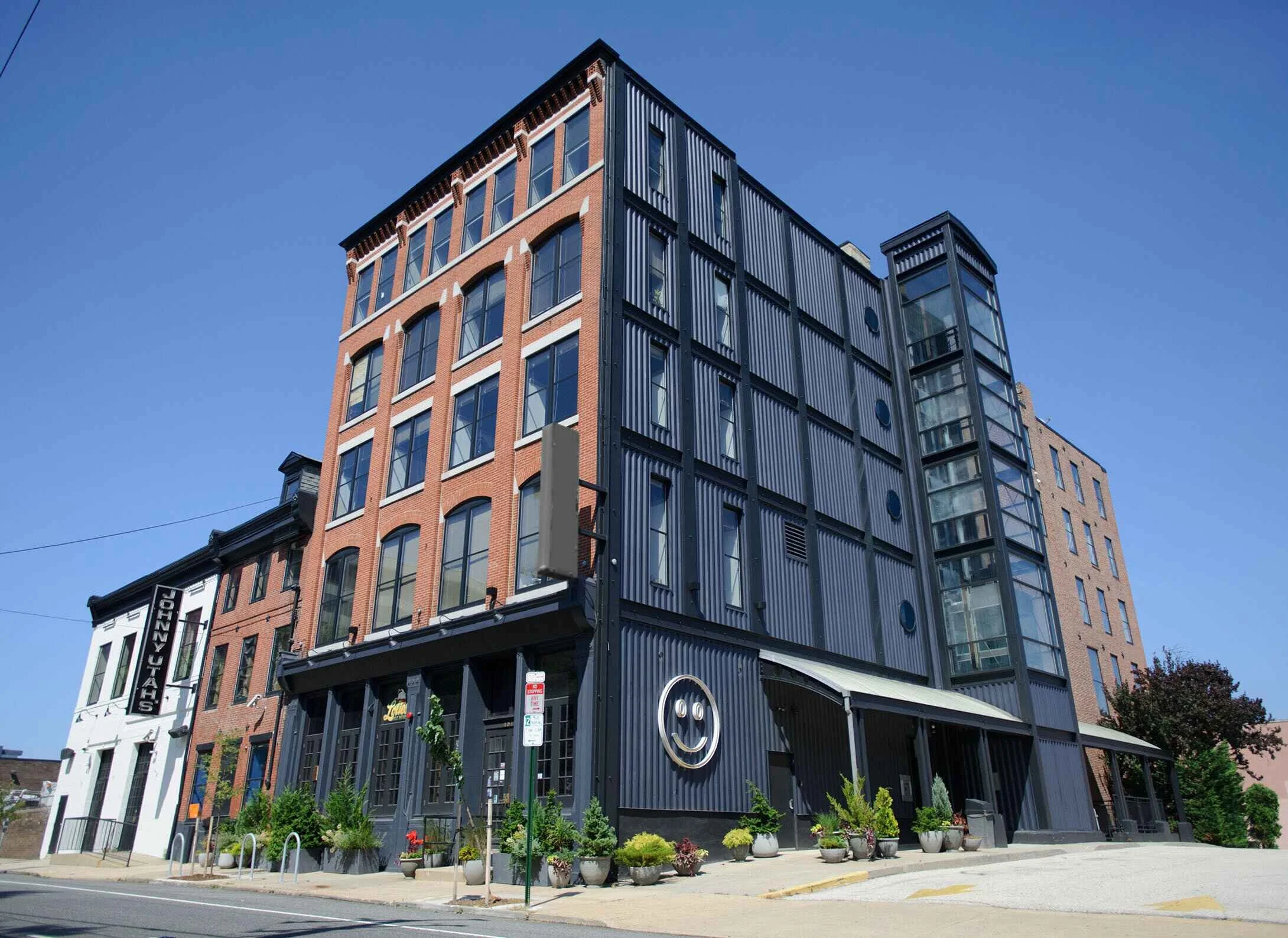
Better Connections Therapy offers therapy services to individuals, couples, and families throughout the Philadelphia area, including South Jersey, the Main Line, and beyond. Therapy is also offered virtually for those in Pennsylvania and New Jersey who prefer to work from home. Wherever you’re coming from, we’ll help you make the most of your time here.
Address
461 N 3rd Street, suite 203
Philadelphia, PA 19123
phone number
(856)288-9435
info@betterconnectionstherapy.com
Contact
Contact
Interested in working together? Fill out some info and we will be in touch shortly! We can't wait to hear from you!